
Events & Entertainment
Merchandise built around your event.
Plan crew apparel, attendee merchandise, artist drops and conference kits around the people receiving them and the date they need to arrive. Start with the job, then choose the garment.
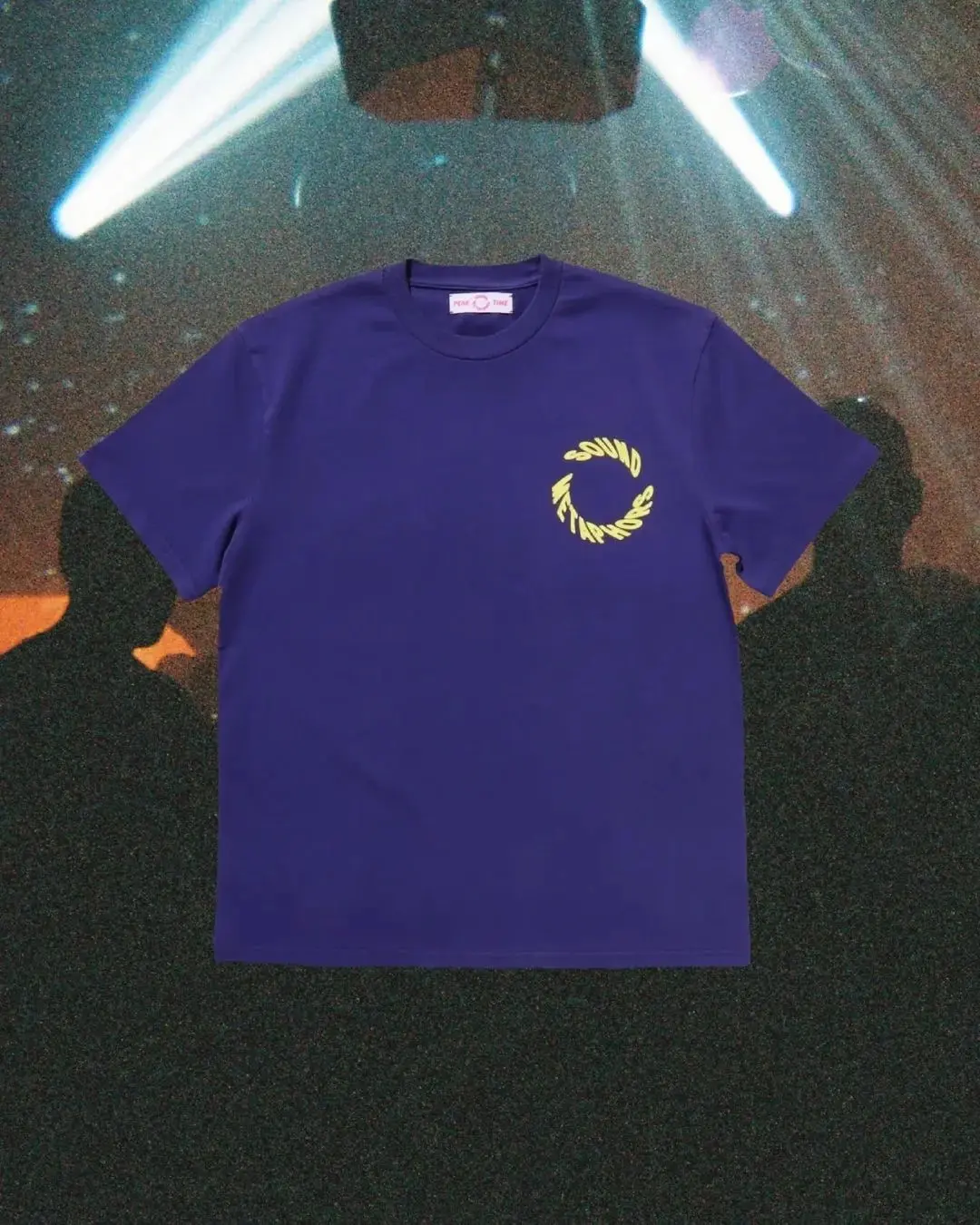
From 50 pieces per style
Product samples available
Split quantities across available sizes
Artwork reviewed before production
GST invoice
Order status visible after checkout
Start with the job
What are you making?
Pick the use case first. The product recommendations below are starting points, not rigid rules.
Crew apparel
Use a straightforward, easy-to-size garment when the primary job is identifying and outfitting a working event team.
Recommended starting points
Attendee merchandise
Choose a versatile product when it needs to work across a broad audience and distribution plan.
Recommended starting points
Artist & retail merchandise
Move toward heavier or oversized garments when the blank itself is part of the creative and retail value.
Recommended starting points
Conference kits
Pair a wearable product with a one-size tote when distribution needs to be simple at registration or check-in.
Recommended starting points
Products
Recommended starting points
These garments cover the most common needs for this industry. Open a product to check its size chart, material and full specification before customising it.
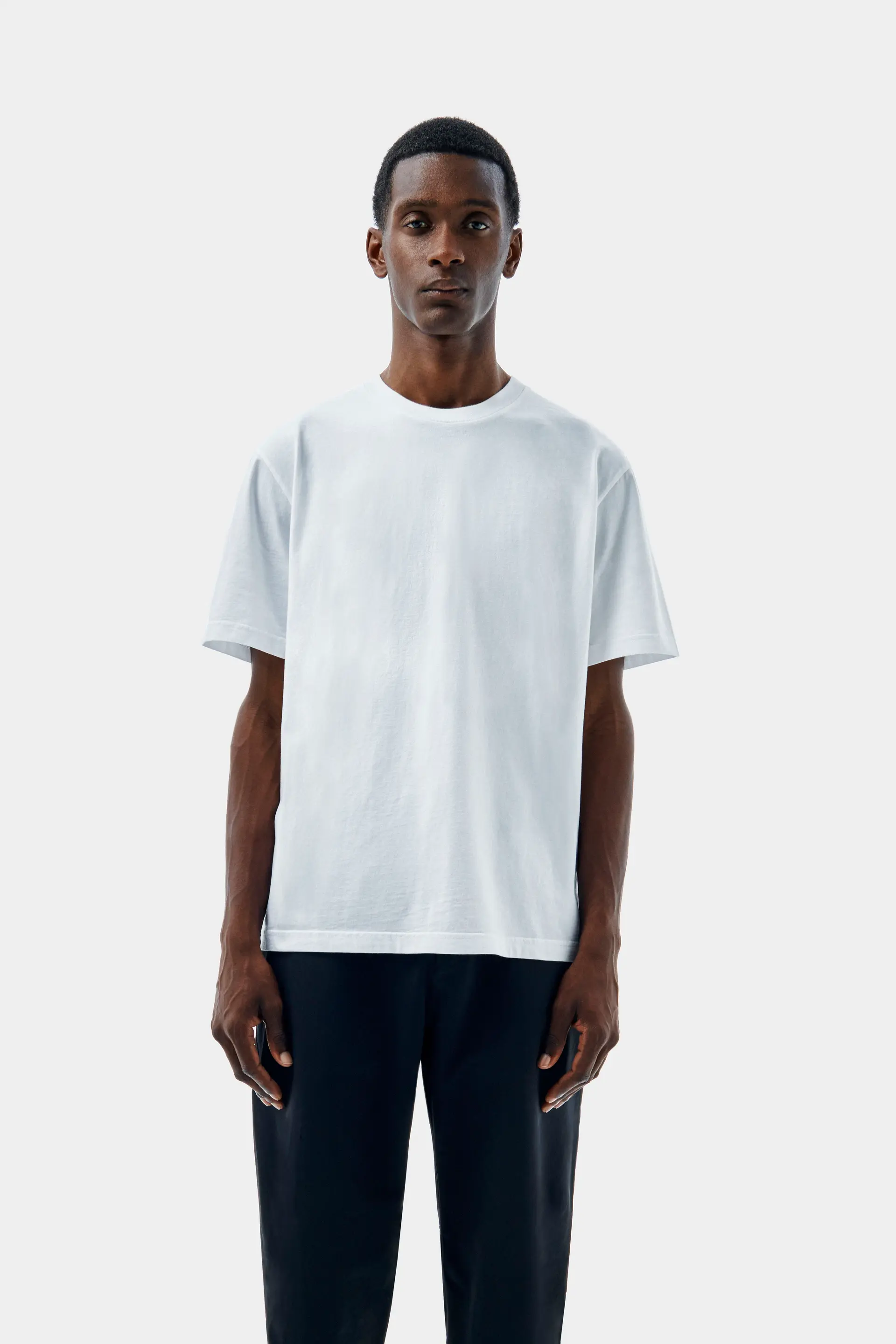
Classic T-Shirt
Everyday weight · Classic fit
The simplest starting point for crews, attendees and broad event distribution.
View product →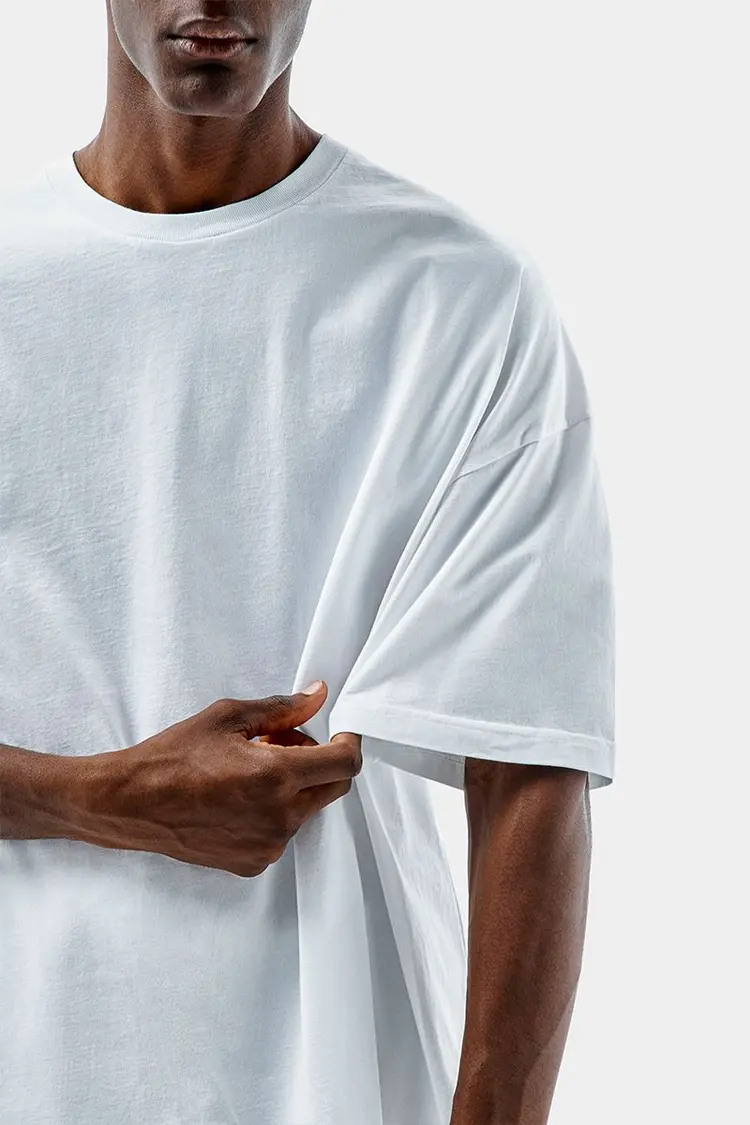
Premium Oversized T-Shirt
Heavyweight & structured · Oversized fit
A stronger choice for artist, festival or retail merchandise where silhouette and fabric weight matter.
View product →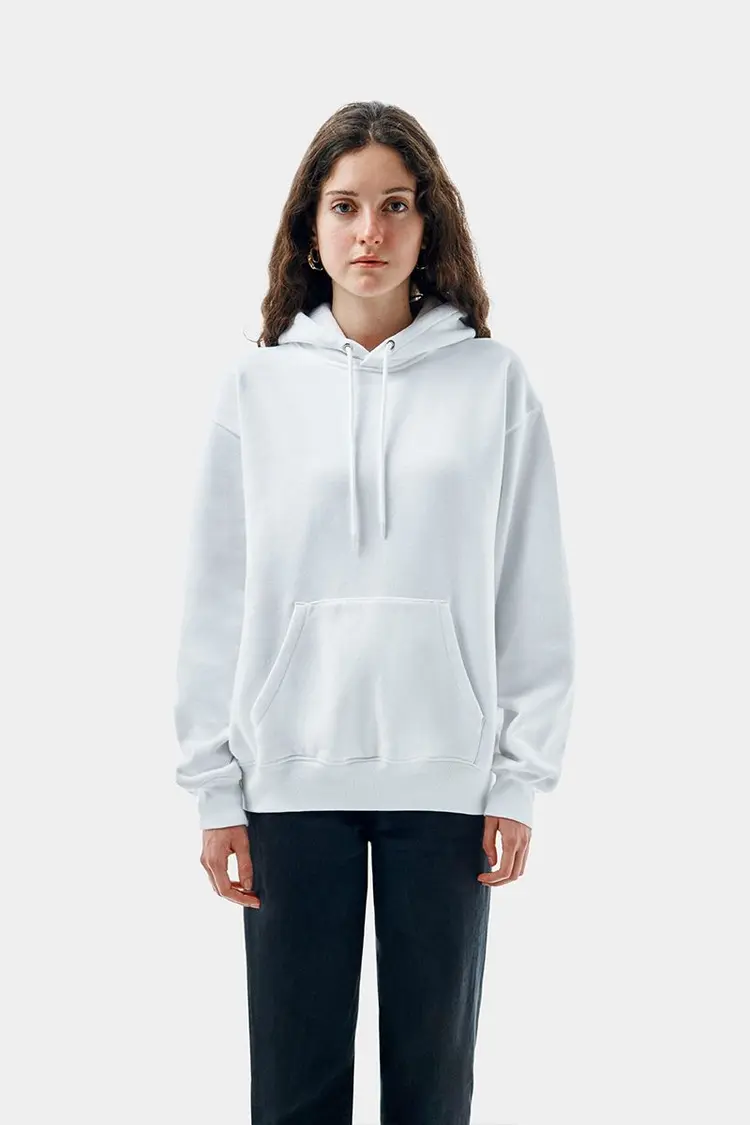
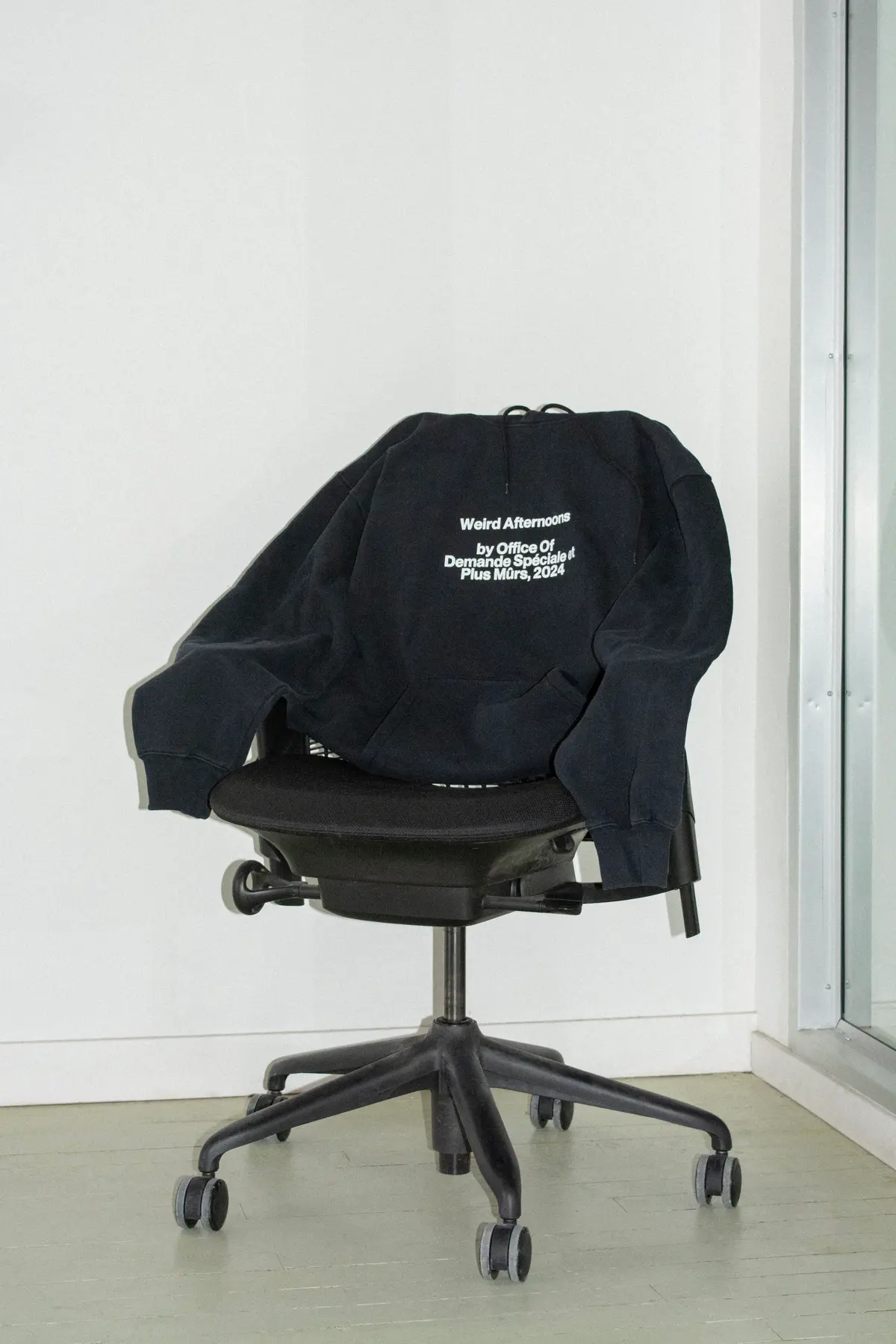
Classic Hoodie
Warm brushed fleece · Classic fit
Useful as a warmer crew or merchandise layer when the event environment calls for it.
View product →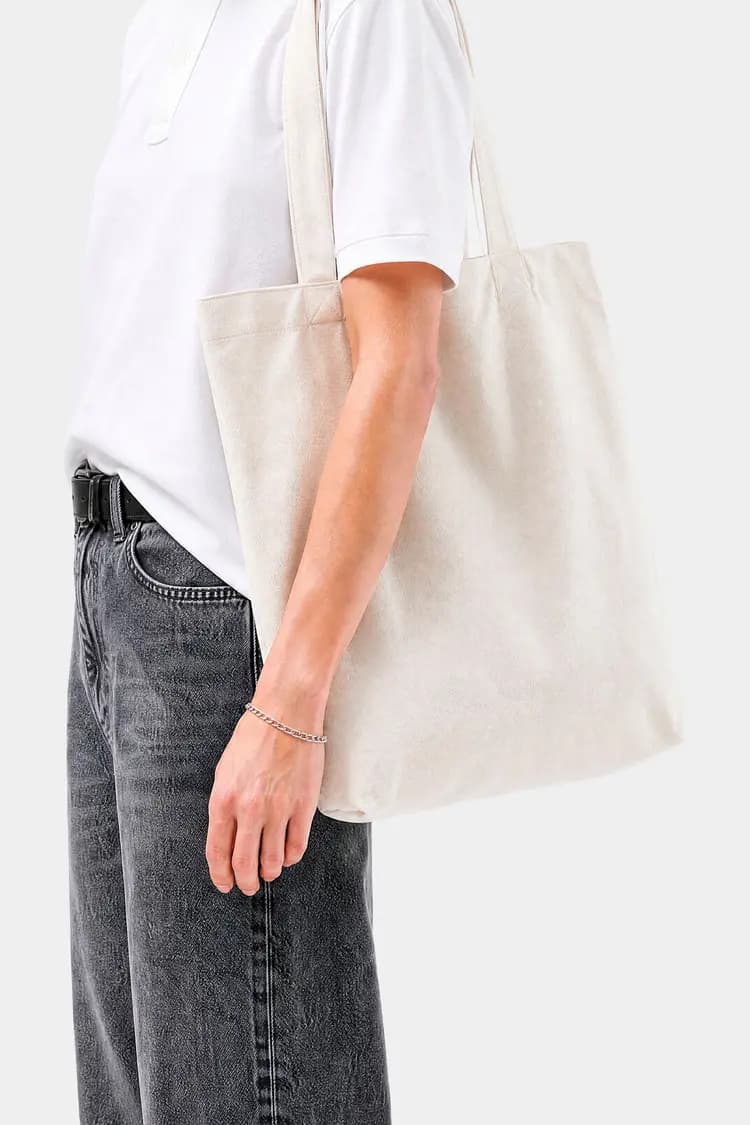
Canvas Tote Bag
Sturdy heavy canvas · One size
A one-size option for conference kits, sponsor merchandise and attendee distribution.
View product →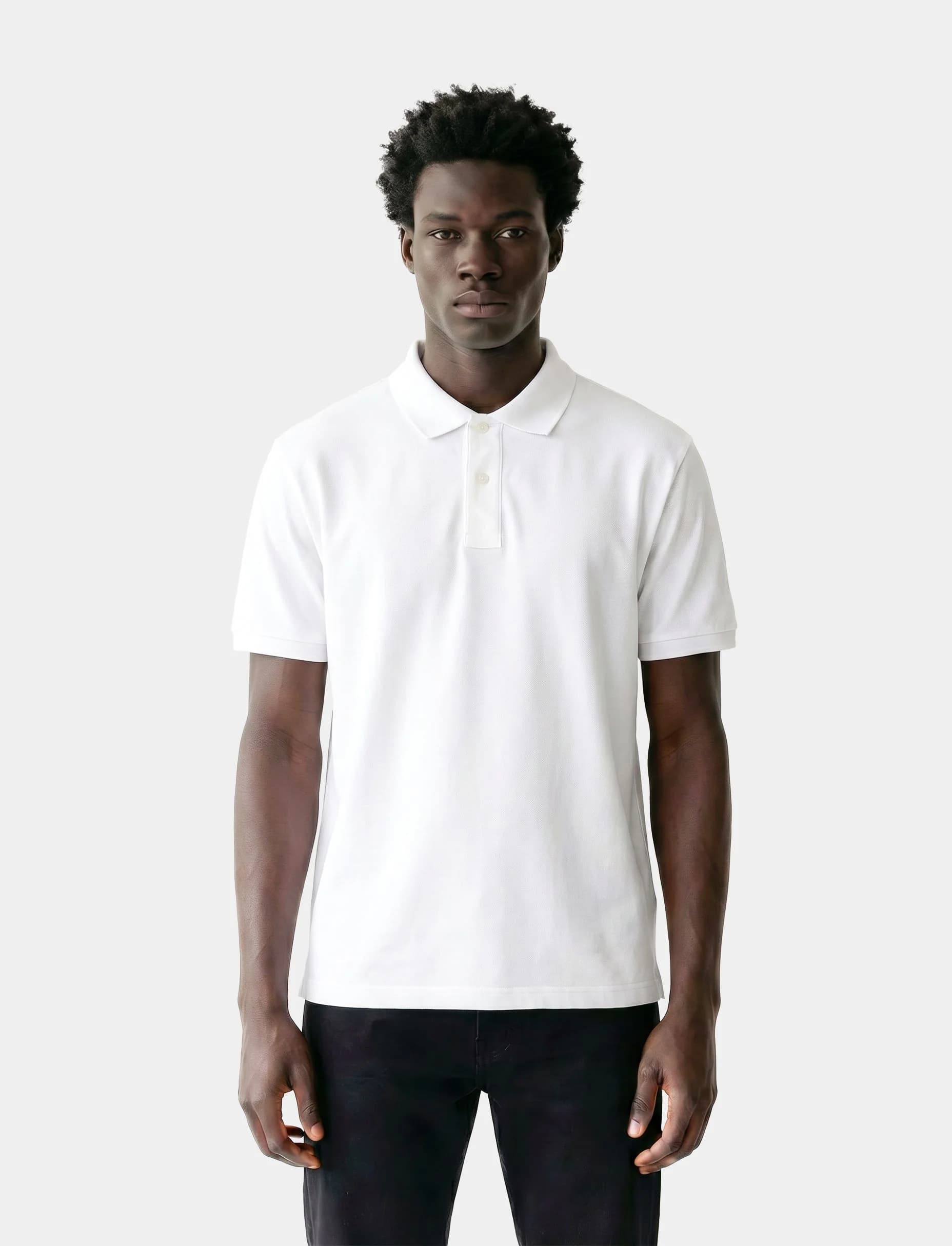
Polo T-Shirt
Structured piqué · Classic fit
A structured option for hosts, representatives or event teams that need a collared garment.
View product →Documented work
Relevant case studies
Print finish
Choose your print finish
Event artwork can range from simple crew marks to complex sponsor layouts and retail graphics. Choose the print method around that artwork, the garment and the intended effect.
Screen Print
Best suited to bold artwork and repeat bulk production where controlled solid colours are important.
Good for
Logos · Typography · Larger graphics
A strong starting point for bold event graphics, tour artwork and repeat bulk runs where solid colours dominate.
DTF
Useful for detailed, multi-colour artwork where screen separations are less practical.
Good for
Detailed graphics · Multi-colour artwork
Useful for detailed, multi-colour sponsor or event artwork that would be cumbersome to separate for screen printing.
Reflective Print
A speciality finish designed to reflect direct light and create a high-visibility visual effect.
Good for
Statement graphics · Night-time effects
Especially relevant to nightlife, festivals and statement event graphics where the artwork is intended to react to direct light.
How it works
From garment to production
The same four-step flow applies across industries so the product, artwork and quantities stay connected.
- 01
Choose your garment
Compare the fit, fabric feel and intended use before deciding which product should carry the artwork.
- 02
Add your artwork
Choose the garment colour, upload the approved artwork and define the print position and physical size.
- 03
Add quantities & sizes
Allocate the order across the available sizes for that exact product and confirm the total quantity.
- 04
Review & produce
Review the final specification and artwork before the order moves into production.
Planning
Work backwards from the event date
The must-arrive date matters more than the factory dispatch date. Lock approvals early enough to leave room for production, checking and transit.
Planning & order notes +
Use case & quantity
Separate crew, attendee and retail quantities so each product is sized and packed for the right job.
Artwork approvals
Lock sponsor, artist and partner artwork before production rather than treating logos as interchangeable placeholders.
Sizes
Use named crew or attendee data where possible and the exact chart for the selected product.
Packing & destination
Confirm how the event team will receive, identify and distribute the pieces, especially when there are multiple destinations.
FAQ
Common questions before you start
What is the minimum order for event merchandise? +
Custom orders start from 50 pieces per style. Each separate product configuration should meet its applicable minimum.
Which product is the safest starting point for a broad attendee group? +
The Classic T-Shirt is the simplest starting point because it uses a familiar fit and everyday weight. Artist or retail merchandise may benefit from a heavier or oversized product instead.
How should we plan event sizes? +
Use named attendee or crew data where possible and always collect sizes against the exact product chart. Avoid carrying a size split from one fit into another without checking measurements.
Can we order a sample before the event run? +
Yes. A catalogue sample can help confirm the base garment before you finalise the custom order.
Which print techniques are available? +
Garmops currently offers Screen Print, DTF and Reflective Print. The best method depends on the artwork, garment, print dimensions and desired effect.
Start with the event job, not the print method.
Choose the garment for the crew, attendee or retail use case first, then configure the artwork and quantities around that product.